
Towards Safety and Equality: Evaluating Panama’s Efforts to Address Gender-Based Violence Through Institutional Reform
By: Marcela Ventura
Executive Summary
Gender-based violence (GBV) [1] in Latin America has been a constant issue, with the region facing “some of the highest rates of femicide and sexual violence”[2] globally. Recently, many news outlets in Panama have emphasized the rising number of femicides in the country. Femicides are just one of the many harmful acts under the GBV umbrella. In its efforts to eliminate GBV, Panama signed the UN Declaration on the Elimination of Violence against Women in 1980 and formally adopted the convention in 1993. A year later, in 1994, Panama participated in the Convention of Belém do Pará, which defines violence against women as a violation of human rights and fundamental freedoms. Most recently, in 2017, Panama committed to the UN 2030 Sustainable Development Goals, including goal number 5: gender equality. Finally, just two years ago (2023), Panama created the Ministry of Women, whose mission is to promote, coordinate, and execute equal opportunities for women.
Despite these efforts, Panama continues to face gender inequality, a significant factor in GBV. Panama ranks 96/162 on the Gender Inequality Index and 50/156 on the Global Gender Gap Index [3]. For context, Afghanistan—known for having some of the highest cases of GBV—ranks 167/162 in the gender inequality index rate and 146/156 in the global gender gap index [4]. In contrast, Sweden, one of the countries with the most comprehensive approach to GBV, has a gender inequality index rank of 4/162 and a global gender gap index rank of 5/156 [5]. These indicators are significant, given that when a gender group--such as women--is denied equal rights, opportunities, and access to resources, it reinforces systematic power imbalances and increases that group’s vulnerability to discrimination and violence.
Introduction
Since the creation of the Ministry of Women, femicide cases in Panama have actually increased. According to a report by Observatorio de Femicidios--an NGO supported by the International Center for Journalism in collaboration with the Ministry of Women and the only source of publicly available femicide data in Panama—the country had experienced a decline in femicides since 2020, but saw a sharp spike increase in 2024, with nine more than the 15 reported in 2023. Most of the femicides (8 out of 24) took place in the province of Panama, and the majority of the survivors (10 out of 24) were between the ages of 20-29 [6].
In an interview, the report’s creators, Dalia Pichel and Irma Planells, noted that 7 out of the 24 cases did not result in any arrests, despite previous police reports filed by the survivors against their aggressors [7]. The report referenced does not clarify why femicide rates in Panama have risen or why some cities are more affected than others. While the increase could be indicative of an increase in violence, it may also reflect heightened awareness, improved reporting, or enhanced support mechanisms due to the Ministry of Women’s efforts. Similarly, Panama City’s higher femicide rate may be attributed to its population size and greater access to resources [8].
During January and February of 2025, there were 3,459 cases[9] of domestic violence [10], and 979 cases [11] of sexual violence [12] in Panama reported to the police. Compared to the same two-month period in the previous year, domestic violence reports declined by about 200 cases [13], and sexual assault reports decreased by about 30 cases [14]. This decline could suggest progress in eliminating GBV, but it could also be indicative of underreporting, lack of awareness, or mistrust of law enforcement systems.
Policy Alternative
There is a general lack of information about GBV assistance in Panama. Resources online are limited, including the Ministry of Women’s website, which offers little insight into how its programs function or what to do if help is needed. Information about Centros de Atención Integral, which the Ministry of Women recommends for assistance, is particularly scarce, as the website does not state hours of operation or how the center can assist those experiencing GBV. There is only a vague list of services offered, which states mental health services and assistance with reporting a crime. Additionally, there is little information available regarding the Ministry of Women’s partner organizations or local NGOs that focus on GBV.
Panama has made significant strides in the development and support of policies that promote gender equality, particularly as it relates to women’s safety and advancement. While these steps are in the right direction, implementation remains limited.
Policy Recommendations
Improve Research and Development Methods: The initiative by “Observatorio de Femicidios” to collect data on femicide rates is important and valuable. However, more comprehensive research is needed to evaluate the effectiveness of the Ministry’s efforts and to identify areas for improvement. Data collection should go beyond simply quantifying the number of people affected; it should also explore why survivors choose to report or not report incidents. Additionally, it is essential to understand the broader impact of GBV on survivors and to assess whether the available resources are effectively meeting their needs.
Promote available resources more effectively: There should be more detailed information about the support available to survivors of GBV. The Ministry should partner with schools, universities, bars, hotels, clubs, and other public spaces to promote awareness about resources available for individuals experiencing GBV. Similarly, it should improve its website by making it more accessible and informative.
Offer emergency and non-emergency advocacy services: Research shows that survivors who receive advocacy support are more likely to report crimes, experience less stress, and receive better treatment [15]. Offering this service (or these services) will allow survivors to connect with someone knowledgeable about their rights and options as they navigate various systems, organizations, and challenges. A model to reference can be Sweden’s 24/7 hotline, Kvinnofridslinjen, which offers assistance in multiple languages via call, text, and online platforms [16]. While Panama currently has “Linea 147,” its services are more tailored towards mental health support. Panama could benefit from a 24/7 line offering those who have experienced GBV not only support but also guidance and the necessary referrals. Several funds could provide financial assistance, such as the United Nations Trust Fund to End Violence Against Women, Global Fund for Women, The Oak Foundation, and others.
Collaborate with local NGOs and INGOs: Engaging with local NGOs such as Fundación Calicanto, Vida Mujer PTY, MUJEM, and Empoderadas LATAM, as well as international NGOs (INGOs) such as EVAWI, Global Rights for Women, and Together for Girls. These collaborations will help ensure the use of up-to-date practices and resources, provide survivors with additional trustworthy trauma-informed options outside the government services, and assist in the dissemination of vital information.
Create a survivor committee: Establish a survivor committee, where a group of willing survivors of GBV would be able to serve for a determined time. This would provide survivors with a platform to voice their needs and challenges. This would give the Ministry of Women valuable insights into the day-to-day realities faced by survivors, informing more effective policies.
Conclusion
While Panama has taken important steps toward gender equality through the creation of the Ministry of Women and its commitments to international agreements, significant improvements are still needed to effectively combat GBV. The rise in femicides, limited access to public information, and insufficient support services highlight gaps that must be addressed. Strengthening outreach, improving data collection, and collaborating with local and international partners will be essential for the Ministry to fulfill its mission. By investing in these efforts, Panama can build a safer, more equitable society—one in which women are not only protected from violence but also empowered to thrive and lead across all sectors.
Works Cited
[1] Gender Based Violence (GBV): an umbrella term for harmful acts of abuse perpetrated against a person’s will and that is based on socially ascribed (gender) differences between males and females (NIH.gov).
[2] Wilson Center. 2020. “WEBCAST | Accessing Justice: Femicide and the Rule of Law in Latin America.” https://www.wilsoncenter.org/event/webcast-accessing-justice-femicide-and-rule-law-latin-america
[3] UN Women. “Panama.” Database on Violence Against Women. Accessed March 23, 2025. https://data.unwomen.org/global-database-on-violence-against-women/country-profile/Panama/country-snapshot
[4] UN Women. “Afghanistan.” Database on Violence Against Women. Accessed March 23, 2025. https://data.unwomen.org/global-database-on-violence-against-women/country-profile/Afghanistan/country-snapshot
[5] UN Women. “Sweden.” Database on Violence Against Women. Accessed March 23, 2025. https://data.unwomen.org/global-database-on-violence-against-women/country-profile/Sweden/country-snapshot
[6] Observatorio de Femicidios. “Informe de Femicidios 2024 Panamá.” Accessed March 23, 2025. https://www.observatoriodefemicidios.com/
[7] Morales Gil, Eliana. 2025. “Observatorio de Femicidios: Un Registro Detallado de la Violencia Letal Contra las Mujeres en Panamá.” La Prensa. https://www.prensa.com/judiciales/observatorio-de-femicidios-un-registro-detallado-de-la-violencia-letal-contra-las-mujeres-en-panama/
[8] World Population Review. 2025. “Panama Cities by Population 2025.” https://worldpopulationreview.com/cities/panama
[9] Ministerio Público Procuraduría General de la Nación. “Cantidad de Denuncias Registradas por los Delitos Contra el Orden Jurídico Familiar y el Estado Civil, por Mes, Según Tipo de Delito: del 1 de Enero al 28 de Febrero del 2025.” Accessed March 23, 2025. https://ministeriopublico.gob.pa/estadisticas-judiciales/violencia-domestica/
[10] Domestic Violence (DV): pattern of behavior in any relationship that is used to gain or maintain power and control over an intimate partner, the abuse can be physical, sexual, emotional, economic or psychological (UN.org)
[11] Ministerio Público Procuraduría General de la Nación. “Cantidad de Denuncias Registradas por los Delitos Contra la Libertad e Integridad Sexual, en el Sistema Penal Acusatorio a Nivel Nacional, por Mes, Según Delito Específico: del 1 de Enero al 28 de Febrero del 2025.” Accessed March 23, 2025. https://ministeriopublico.gob.pa/estadisticas-judiciales/delito-sexual/
[12] Sexual Violence: any sexual act, attempt to obtain a sexual act, or other act directed against a person’s sexuality using coercion, by any person regardless of their relationship to the victim, in any setting (WHO.int, 2022).
[13] Ministerio Público Procuraduría General de la Nación. “Cantidad de Denuncias Registradas por los Delitos Contra el Orden Jurídico Familiar y el Estado Civil, a Nivel Nacional, por Mes, Según Tipo de Delito: del 1 de Enero al 29 de Febrero del 2024.” Accessed March 23, 2025. https://ministeriopublico.gob.pa/estadisticas-judiciales/violencia-domestica/
[14] Ministerio Público Procuraduría General de la Nación. “Cantidad de Denuncias Registradas por los Delitos Contra la Libertad e Integridad Sexual, en el Sistema Penal Acusatorio a Nivel Nacional, por Mes, Según Delito Específico: del 1 de Enero al 29 de Febrero del 2024.” Accessed March 23, 2025. https://ministeriopublico.gob.pa/estadisticas-judiciales/delito-sexual/
[15] Buckley, Janelle. 2024. “Advocacy-Benefits of Advocacy.” End Violence Against Women International. https://evawintl.org/best_practice_faqs/advocacy-benefits-of-advocate/
[16] European Institute for Gender Equality. “Combating Violence Against Women Sweden.” Accessed March 23, 2025.
Author Bio
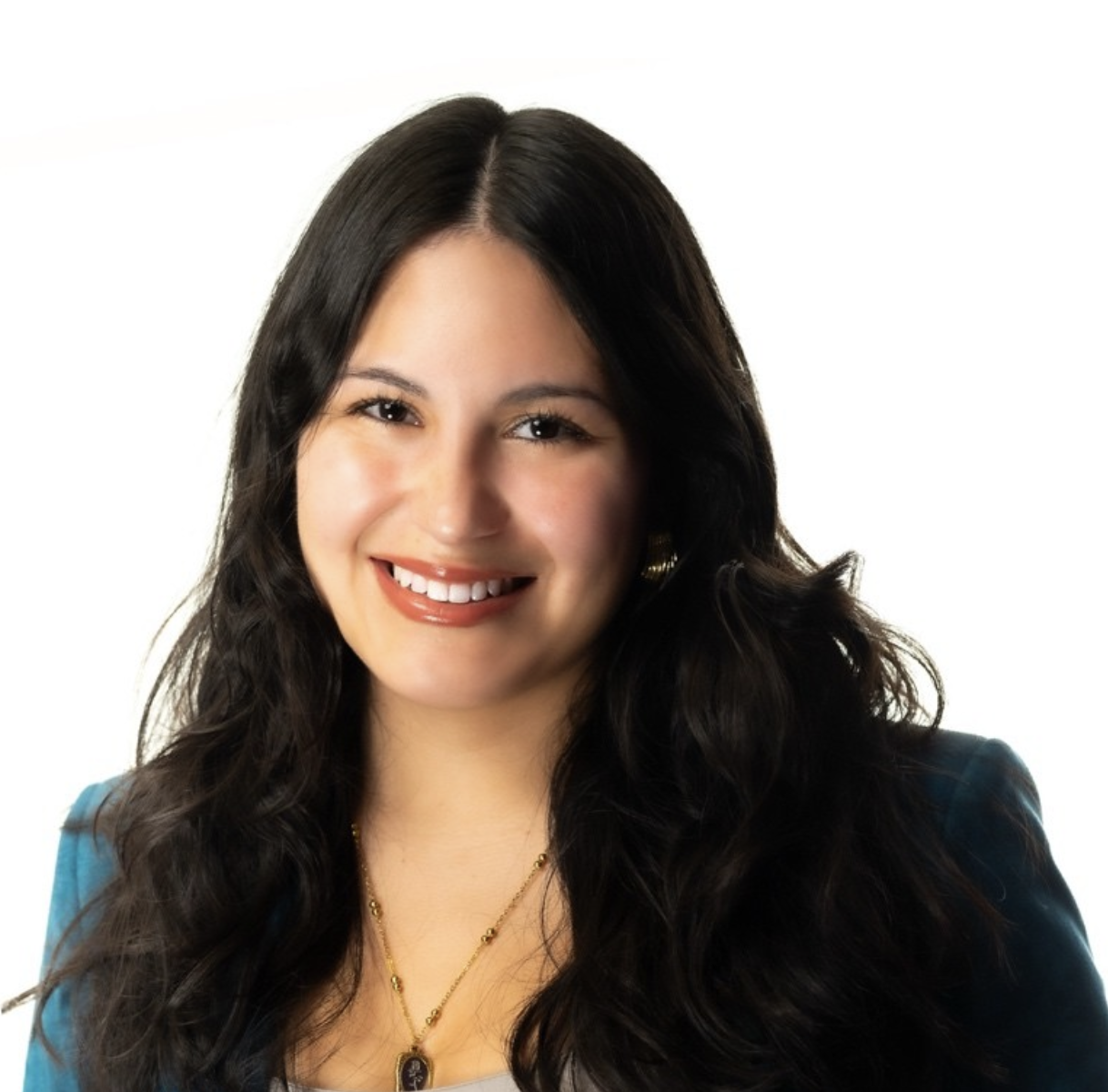
Marcela Ventura
Marcela Ventura is in her last semester of the Master of Arts in International Affairs program at the Elliott School. Her concentration is on Latin American studies, and her interests lie at the intersection of Latin America and women’s security. Having a B.A. in Criminology, she currently works as a victims advocate in D.C.